


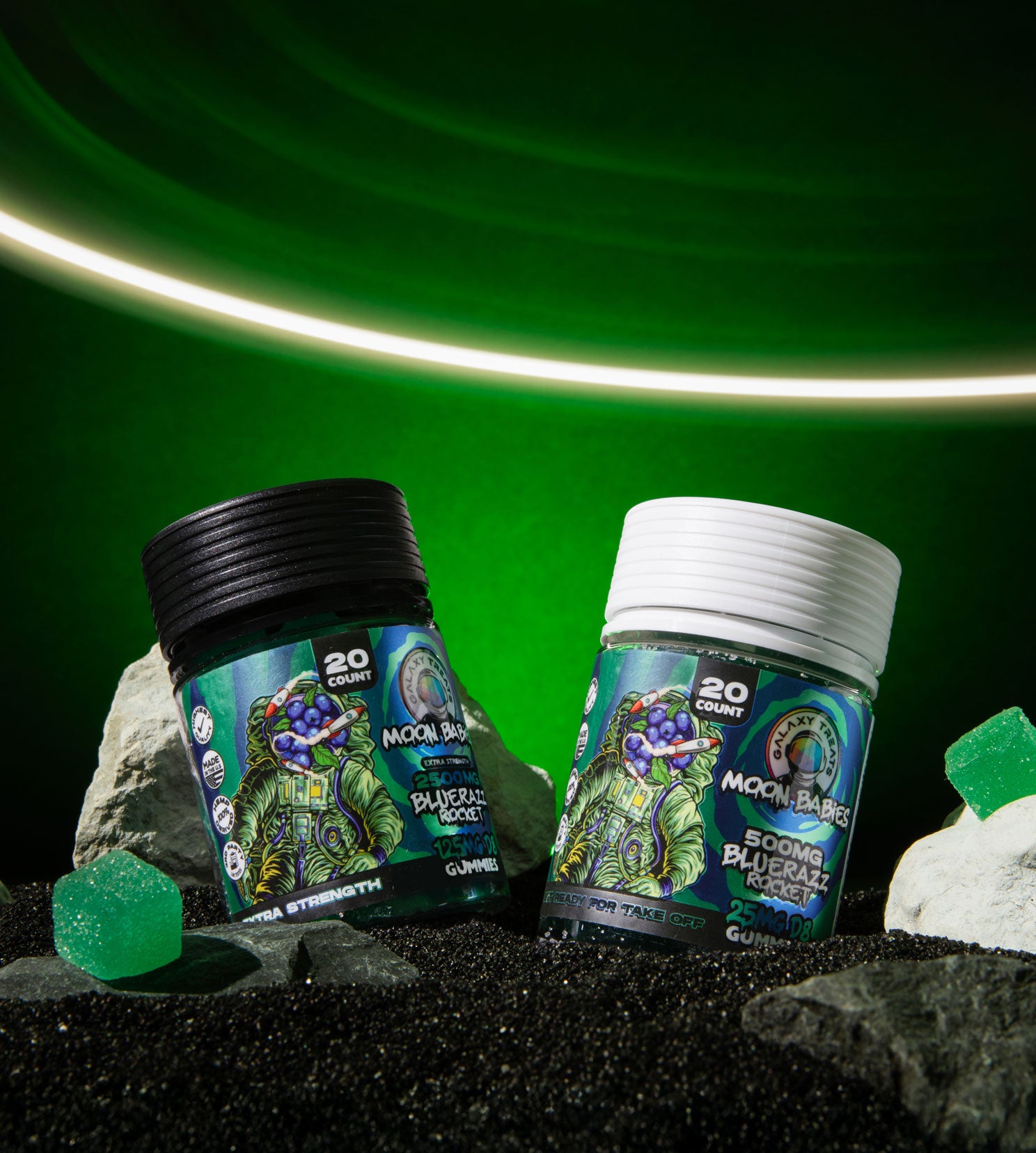

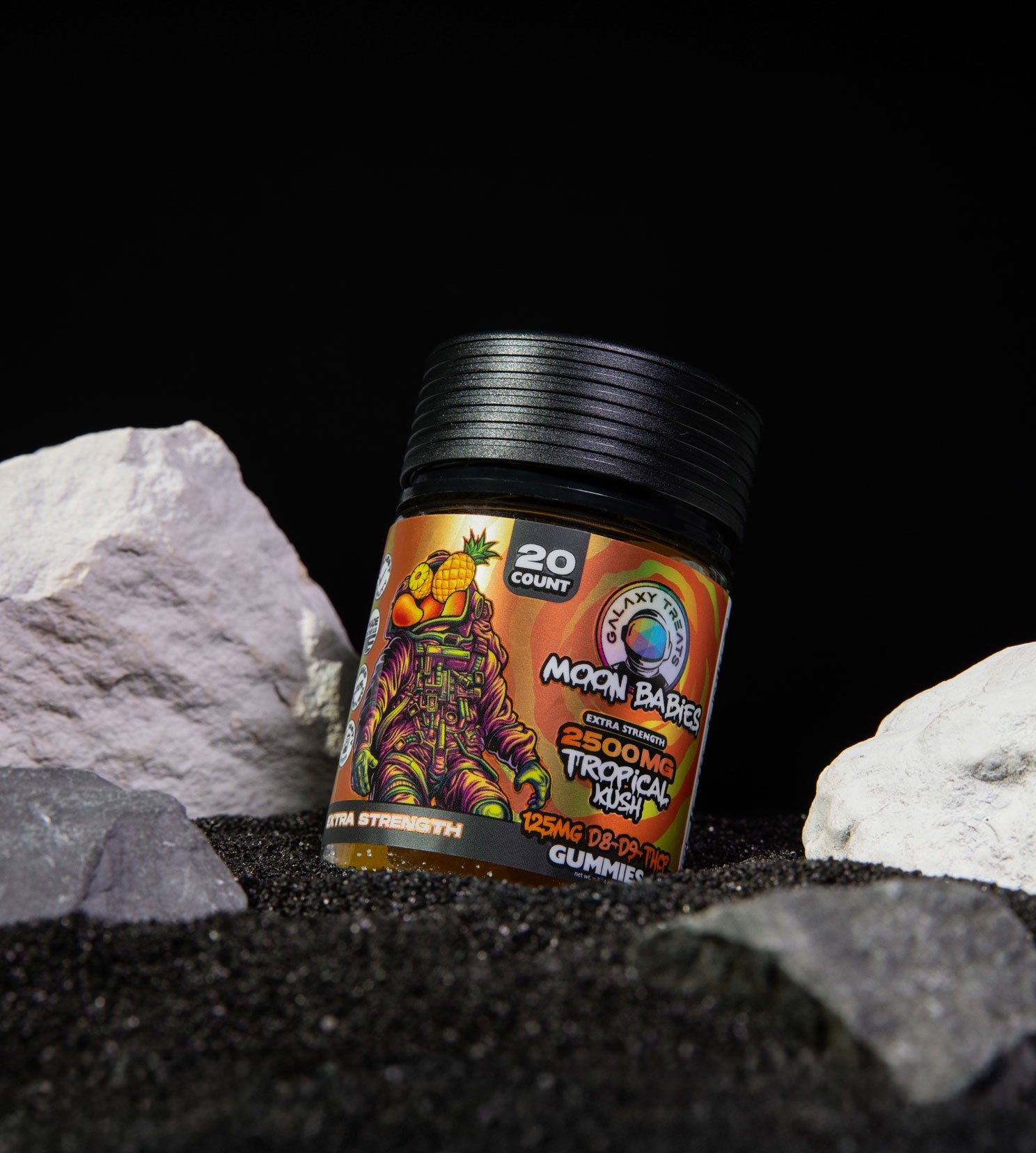

You love a good cosmic buzz, but your job, your coach, or somebody with a clipboard loves a good drug test. So before your next screening you deserve a straight answer to a simple question: will hemp-derived THC show up? Delta 8, Delta 9, THCP, and THCA are all federally legal when they come from hemp, but legal does not mean invisible. Your body and a testing lab do not care which aisle your gummies came from. Here is the honest, science-backed truth about what a drug test can catch, why it happens, and how to make smart choices before you get tested.
Do Delta 8, Delta 9, THCP, and THCA Show Up on a Drug Test? The Short Answer
Yes. In almost every case, using Delta 8, Delta 9, THCP, or heated THCA can cause you to fail a standard drug test. It does not matter that these cannabinoids are hemp-derived and compliant under the 2018 Farm Bill. Drug tests are not looking for the specific cannabinoid you took. They are looking for what your body turns it into after the fun is over. To understand why, we need to talk about a molecule called THC-COOH.
What Do Drug Tests Actually Look For?
Standard urine drug tests do not search for Delta 8, Delta 9, or any parent cannabinoid directly. They screen for THC-COOH, the inactive metabolite your liver produces after it processes THC. According to the SAMHSA guidelines that govern federal workplace testing, the initial immunoassay screen reports a specimen positive at or above 50 ng/mL of THC metabolites, and a stricter confirmatory test uses a 15 ng/mL cutoff for delta-9 carboxy-THC.
Here is the catch that trips up so many hemp fans. Immunoassay panels are built around antibodies that bind to THC-COOH, and they are not precise enough to tell one THC isomer from another. So the real question is rarely whether a cannabinoid is legal. The question is whether it metabolizes into something the test recognizes. For Delta 8, Delta 9, THCP, and heated THCA, the answer is almost always the same: yes.
Will Delta 8 Test Positive on a Drug Test?
Delta 8 THC is the mellow cousin of Delta 9, a little smoother and a little less intense, but chemically they are nearly twins. The difference between Delta 8 and Delta 9 comes down to the position of a single double bond on the carbon chain. Your liver does not sweat that detail. It metabolizes Delta 8 into delta-8 carboxy-THC, a metabolite so similar to the Delta 9 version that testing equipment cannot reliably separate the two.
This is not guesswork. Laboratory analysis summarized by Aegis Sciences found that delta-8 carboxy-THC produced 87 to 112 percent cross-reactivity across commercial cannabinoid immunoassay platforms at the standard 50 ng/mL cutoff. In plain English, if you use Delta 8, a routine urine screen will very likely light up positive for THC, exactly as if you had used Delta 9. If you want the deep dive, our full guide on whether Delta 8 gummies show up on a drug test breaks it down further. And when you do reach for Delta 8, quality counts, which is why every jar in our lab-tested Delta 8 gummies collection ships with third-party test results.
Does Delta 9 THC Show Up on a Drug Test?
Hemp-derived Delta 9 is the same molecule as the Delta 9 found in traditional cannabis. The only real difference is the source and the 0.3 percent dry-weight limit set by the Farm Bill. Once it is inside your body, your liver metabolizes it into THC-COOH, the exact compound drug panels are designed to catch. There is no metabolic loophole. Whether your Delta 9 came from a hemp-derived gummy or anywhere else, the metabolite is identical, and so is the test result. For how long that metabolite can linger, see our breakdown of how long Delta 9 stays in your system.
Does THCA Get You High, and Will It Fail a Drug Test?
THCA is the cannabinoid everyone is curious about right now, largely because of a common misunderstanding about what it does and does not do. Let us clear it up.
Does THCA Get You High?
In its raw form, no. THCA, or tetrahydrocannabinolic acid, is the non-intoxicating acidic precursor to Delta 9 THC. The molecule carries an extra carboxyl group that makes it too bulky to bind to the CB1 receptors in your brain, so nibbling raw THCA flower will not launch you anywhere. Heat changes everything. When you smoke, vape, or bake THCA, a reaction called decarboxylation strips away that carboxyl group and converts THCA into Delta 9 THC. That is the exact moment it becomes psychoactive. So the honest answer to does THCA get you high is this: not until you heat it, and then absolutely. Our article on whether THCA gets you high and our guide to what THCA actually is cover the chemistry in full.
Will THCA Show Up on a Drug Test?
Because heated THCA becomes Delta 9 THC, your body then metabolizes it into the same THC-COOH that every standard drug test screens for. A lab cannot tell smoked or vaped THCA flower apart from traditional cannabis. Legal status does not rescue you here either. The Farm Bill measures the product before you consume it, not the THC your body produces after decarboxylation. If a screening is coming up, treat THCA exactly like Delta 9. For a side-by-side comparison, read THCA vs Delta 9 THC, and if you are free to enjoy it, our THCA pre-rolls and flower deliver the full experience once heated.
Does THCP Show Up on a Drug Test?
THCP is the heavyweight of the group, a hemp-derived cannabinoid that binds to CB1 receptors far more strongly than Delta 9, which is why even small doses feel potent. Because THCP is structurally a THC analog, the prudent assumption is that it carries the same drug-test risk. Direct immunoassay research on THCP is still limited, so no one can promise a precise cross-reactivity number, but two practical realities settle the matter. First, THCP is chemically close to the THC family the tests are tuned for. Second, most THCP products on the market are blended with Delta 8, Delta 9, or THCA, all of which reliably produce THC-COOH. If you are using THCP, assume it will show up. Learn more in our complete THCP guide for beginners.
How Long Do Delta 8, Delta 9, THCP, and THCA Stay in Your System?
Detection windows depend far more on how often you use and which test you take than on which cannabinoid you chose, because they all funnel into the same THC-COOH metabolite. Here are the general ranges commonly reported for THC metabolites:
-
Urine: the most common workplace test. Occasional users may test positive for a few days, while frequent or daily users can test positive for several weeks.
-
Saliva: the shortest window, often detectable for roughly a day after use.
-
Blood: typically captures recent use within hours, though heavy users can test positive for longer.
-
Hair: the longest window, able to reflect use for up to about 90 days.
Body fat, metabolism, hydration, dose, and product format all shift these numbers, since edibles and inhaled products metabolize differently. For a closer look, see how long Delta 8 gummies stay in your system and our Delta 9 detection timeline. If a test is on your calendar, the only reliable strategy is time and abstinence. Be skeptical of detox drinks and quick-fix promises, because none of them can guarantee a clean result.
How to Choose Hemp-Derived THC Products You Can Actually Trust
Whether or not a drug test is in your future, product quality always matters. The hemp space is crowded with mislabeled and untested products, and a mystery gummy is the last thing you want in your system. Galaxy Treats handcrafts industry-leading Delta 8 and Delta 9 edibles, THCA pre-rolls, and rare-cannabinoid gummies, all made in the USA with real fruit terpenes and third-party lab tested for purity. Every batch comes with a 30-day satisfaction guarantee, so you always know exactly what you are launching with. Explore our full lineup of hemp-derived Delta 9 gummies, browse the Delta 8 gummies collection, or go big with our potent THCP gummies. Whatever you choose, you get clean, consistent, cosmic-level quality every time.
The Bottom Line
Legal does not mean undetectable. Delta 8, Delta 9, THCP, and heated THCA all metabolize into THC-COOH, the single compound standard drug tests are built to find, and immunoassay panels cannot tell hemp-derived cannabinoids apart from any other THC. If you are subject to testing, the safest move is to abstain well ahead of time. If you are free to enjoy the ride, choose quality, lab-tested products and blast off with confidence.
Frequently Asked Questions
Will Delta 8 test positive on a drug test?
Yes. Delta 8 metabolizes into the same THC-COOH that standard urine screens detect, and lab research shows its metabolite cross-reacts with immunoassay panels at rates near 100 percent at the standard cutoff. A routine test will very likely read positive.
Does THCA get you high?
Raw THCA does not get you high because it cannot bind to the brain's cannabinoid receptors. Once you heat it by smoking, vaping, or cooking, decarboxylation converts THCA into Delta 9 THC, which is fully psychoactive and will get you high.
How long does THC stay in your system?
It depends on the test and your usage. Urine tests can detect THC metabolites for a few days in occasional users and up to several weeks in frequent users. Saliva windows are shortest, blood captures recent use, and hair can reflect use for up to about 90 days.
Can hemp-derived THC fail a drug test even though it is legal?
Yes. The 2018 Farm Bill legalized hemp-derived cannabinoids, but drug tests do not measure legality. They detect the THC-COOH metabolite your body produces, which is identical regardless of whether the THC came from hemp or any other source.
Does THCP show up on a drug test?
Very likely. THCP is a potent THC analog, and while direct testing research is limited, it is structurally similar to the cannabinoids tests are designed to catch. Most THCP products also contain other detectable cannabinoids, so you should assume it will show up.
Is there any hemp THC product that will not show up on a drug test?
If a product contains Delta 8, Delta 9, THCP, or heated THCA, assume it can trigger a positive result. Only products with no THC and no THC-producing cannabinoids avoid this risk, and even then cross-contamination is possible. When a test matters, abstinence is the only reliable approach.