




Sleep should be the easiest thing in the world. Close your eyes, drift off, wake up refreshed. But for millions of Americans, it is anything but simple. According to the Centers for Disease Control and Prevention, about one in three adults consistently gets less than seven hours of sleep per night, and an estimated 50 to 70 million people deal with chronic sleep disorders. Between stress, screens, and schedules that never seem to slow down, a good night of rest can feel like a luxury rather than a given.
That is exactly why THC sleep gummies have become one of the fastest-growing products in the wellness world. People are searching for alternatives to prescription sedatives, melatonin, and those over-the-counter options that promise deep sleep but deliver a hazy morning instead. But with all the buzz, a fair question deserves a straight answer: do sleep gummies with THC actually work, or are they just another trend dressed in a shiny wrapper?
The answer is more interesting than a simple yes or no. Let us walk through the real science, the research that backs it up, and what to look for when you are ready to put THC gummies on your nightstand.
How THC Interacts with Your Body's Sleep System
Your body already has a built-in system designed to regulate things like mood, appetite, pain response, and sleep. It is called the endocannabinoid system (ECS), and it runs on naturally occurring compounds called endocannabinoids, primarily anandamide (AEA) and 2-arachidonoylglycerol (2-AG). These molecules bind to cannabinoid receptors (CB1 and CB2) throughout your brain and nervous system, helping to keep your internal processes balanced.
Sleep is one of those processes. Research published in PLOS ONE demonstrated that endocannabinoid signaling through CB1 receptors is necessary for stable bouts of NREM sleep, the deep, restorative phase of the sleep cycle where your body does most of its physical repair and memory consolidation. When researchers blocked CB1 receptor activity in animal models, NREM sleep became fragmented and unstable. When they enhanced endocannabinoid tone, those deep sleep episodes became longer and more consistent.
THC (tetrahydrocannabinol), the primary psychoactive compound in cannabis, works by binding to these same CB1 receptors. When you consume a THC gummy, the compound essentially piggybacks on the infrastructure your body already uses to manage sleep, nudging it toward relaxation and drowsiness. That is why THC has earned a reputation as a sleep aid: it is working with your body's existing wiring, not against it.
There is also a circadian component worth knowing about. A review in Frontiers in Molecular Neuroscience found that endocannabinoids like anandamide show circadian fluctuations in healthy humans, with levels peaking upon waking and dropping before sleep. This suggests that the ECS is tightly interwoven with your body's internal clock. When that clock is thrown off by stress, jet lag, shift work, or too much late-night scrolling, a cannabinoid like THC may help recalibrate it.

What Does the Research Say About THC and Sleep?
The science on THC and sleep is still evolving, but several consistent patterns have emerged across clinical and observational studies.
Low doses of THC, generally under 10 mg, appear to reduce sleep onset latency, the technical term for how long it takes you to fall asleep. For anyone who spends half an hour or more staring at the ceiling each night, this is a meaningful benefit. Early evidence also points to improvements in perceived sleep quality and total sleep time at these lower doses.
One of the most compelling recent findings comes from a 2025 study published in PLOS Mental Health. Researchers analyzed long-term patient data from the UK Medical Cannabis Registry and found that people treated with cannabis-based products for insomnia experienced sustained improvements in sleep quality and reduced anxiety over an 18-month period. What makes this particularly notable is that many of these patients had already tried conventional treatments without success. The study's lead researcher noted that these real-world findings support the potential role of medical cannabis where standard options have failed.
On the other hand, a review published in Behavioral Sleep Medicine looked at the relationship between cannabis, the endocannabinoid system, and sleep regulation. The findings showed that while acute, low-dose THC may support sleep, high-dose or chronic daily use can suppress REM sleep and contribute to tolerance. REM is the stage of sleep tied to dreaming, memory processing, and emotional regulation, so protecting it matters for long-term health.
A 2025 study from the University of Michigan, published in JAMA Pediatrics, shed additional light on how widespread this trend has become. The study found that roughly 18% of young adults in the U.S. reported using cannabis to help them fall asleep. Lead researcher Megan Patrick cautioned that while the appeal is understandable, relying on cannabis for sleep can sometimes backfire with long-term use, making the case for mindful dosing and moderation.
The bottom line from the research? THC sleep gummies show genuine promise, especially at low doses and for occasional use. But they are not a one-size-fits-all cure, and how you use them matters as much as whether you use them.
Why Gummies Specifically? The Edible Advantage for Sleep
There is a reason THC gummies have become the go-to format for people using cannabinoids at bedtime, and it is not just because they taste good (though that does not hurt).
When you eat a THC gummy, the cannabinoid travels through your digestive system and is processed by the liver, where it is converted into 11-hydroxy-THC. This metabolite crosses the blood-brain barrier more efficiently than standard THC and produces effects that are typically longer-lasting and more body-focused than what you would get from inhaling. The onset is slower, usually 30 to 60 minutes, but the effects can last anywhere from four to six hours. That extended duration is exactly what makes edibles so well-suited for sleep: you get sustained support through the night rather than a short burst that fades before sunrise.
Gummies also offer something that other methods simply cannot: precise, consistent dosing. Each gummy contains a specific amount of THC measured in milligrams, which takes the guesswork out of the equation. When you are experimenting to find your ideal sleep dose, knowing exactly how much you are consuming each time makes it far easier to dial things in. Compare that to smoking or vaping, where the amount of THC you absorb can vary based on inhalation technique, product quality, and a dozen other factors.
Galaxy Treats builds every gummy with this kind of precision in mind. Each product is crafted in the USA with real fruit terpenes, third-party tested for purity, and formulated for a clean, consistent experience. When you pick up a jar of Delta 9 gummies with 10 mg per piece, or an Orbital terpene gummy with strain-specific effects (the Indica Blue Raspberry even includes 2 mg of melatonin), you know what you are getting with every single gummy. That kind of consistency is what separates quality sleep products from the guesswork that plagues cheaper alternatives.

Delta 8 vs. Delta 9 for Sleep: How Do They Compare?
Both Delta 8 and Delta 9 THC interact with CB1 receptors in your endocannabinoid system, but the experience they deliver is noticeably different.
Delta 9 is the more potent of the two and the cannabinoid most people think of when they hear "THC." At a sleep-friendly dose of 5 to 10 mg, it tends to produce a deeper sense of physical relaxation that can quiet both the body and the mind. For people who struggle with racing thoughts or physical tension at bedtime, Delta 9 can be a powerful ally.
Delta 8 is structurally similar to Delta 9 but binds to CB1 receptors with slightly less affinity, resulting in a smoother, milder experience. Many users describe it as producing relaxation and calm without the heavier psychoactive intensity that sometimes accompanies Delta 9. If you are new to THC, sensitive to stronger products, or simply prefer a lighter touch at bedtime, Delta 8 gummies may be the better fit.
For a deeper side-by-side breakdown, Galaxy Treats has covered this topic extensively in Delta 8 vs Delta 9: What's the Difference and Benefits of Delta 8 THC for Sleeping. Both are worth reading if you want to make an informed choice for your nightly routine.
The Entourage Effect: Why Cannabinoid Blends Can Outperform THC Alone
One of the most exciting developments in the cannabis space is the growing understanding that cannabinoids, terpenes, and other hemp-derived compounds tend to work better in tandem than in isolation. This concept is known as the entourage effect, and it has major implications for sleep.
CBD (cannabidiol) is the most common companion cannabinoid in sleep-oriented products. It has well-documented anxiolytic and calming properties that can help quiet a restless mind without adding psychoactivity. Research suggests that THC-CBD blends may be more effective for sleep than THC on its own, in part because CBD appears to smooth out some of the less desirable effects of THC, like next-morning grogginess.
CBN (cannabinol) is another cannabinoid that has gained significant traction in the sleep space. Formed naturally as THC oxidizes over time, CBN is often described as having mild sedative properties. While the clinical evidence is still early, widespread user reports and emerging research point to CBN as a valuable complement to THC in nighttime formulations.
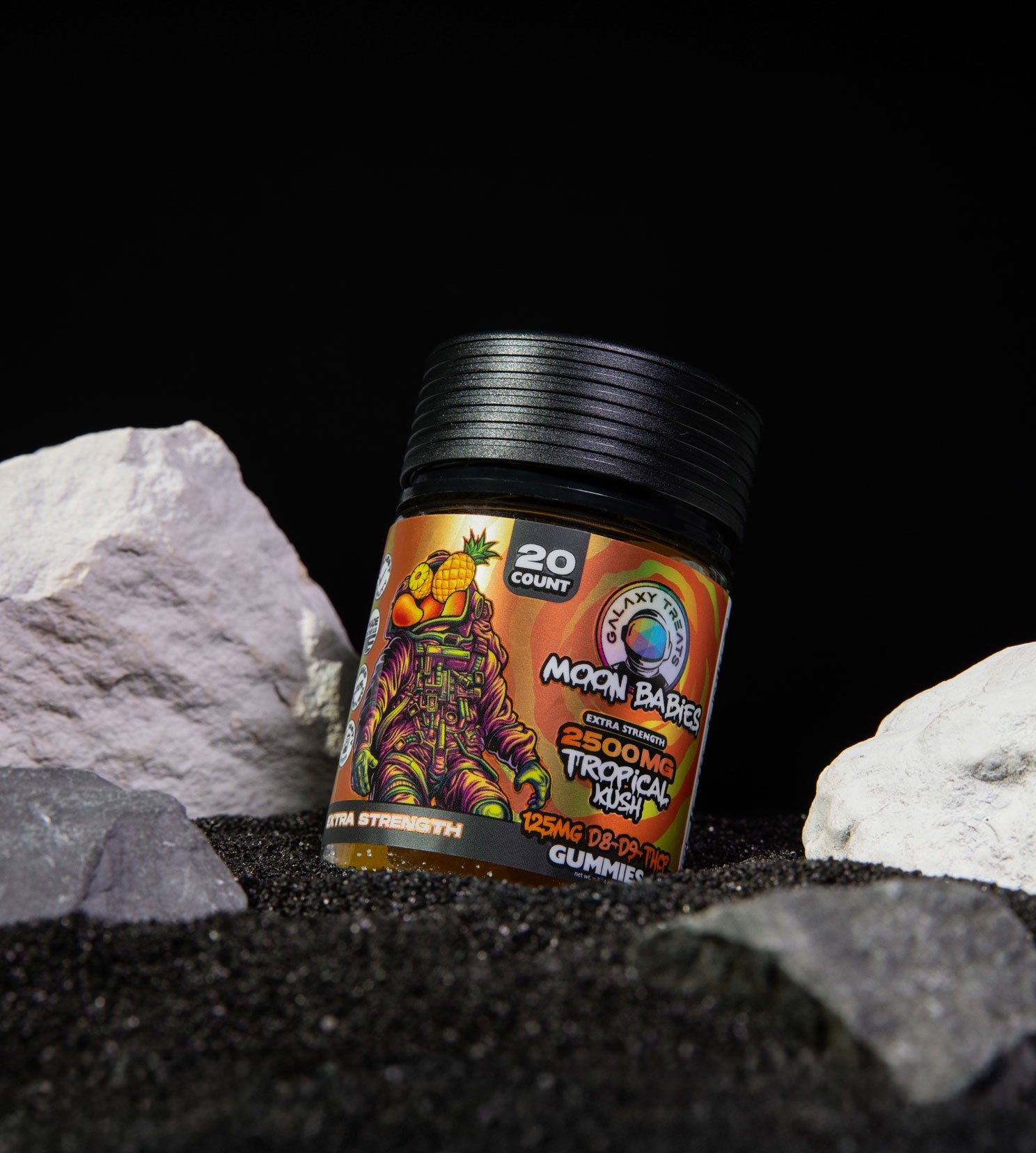
THCP (tetrahydrocannabiphorol) is a newer arrival that binds to CB1 receptors with significantly greater affinity than conventional THC. You will find it in some of Galaxy Treats' Extra Strength gummy formulations, where it contributes to a more potent effect profile. For experienced users who have developed tolerance to standard-strength gummies, THCP can unlock a deeper level of relaxation. If you are curious about what sets THCP apart, What is THCP? How It Compares to Delta 8 and Delta 9 THC is a comprehensive breakdown.

How to Choose the Best THC Gummies for Sleep
With the market growing rapidly, knowing what to look for can save you from wasting money on products that do not deliver. Here are the factors that matter most.
Match the Cannabinoid to Your Goal
If sleep is the primary objective, seek out products designed for relaxation rather than energy. Indica and hybrid strains are generally associated with calming, body-forward effects, while sativa-leaning products may leave you feeling more alert than you intended at bedtime. Terpene profiles matter, too. Myrcene, linalool, and beta-caryophyllene are terpenes commonly linked to relaxation and sedation.
Start with a Low Dose and Build Gradually
If you are new to THC, begin with 2.5 to 5 mg and give the gummy 60 to 90 minutes to take effect before deciding whether you need more. Edibles are processed more slowly than inhaled cannabis, so patience pays off. Jumping to a higher dose too quickly is one of the most common mistakes new users make, and it can lead to an uncomfortable experience rather than the restful one you were after. Galaxy Treats has a helpful guide to using THC gummies safely that walks through dosing best practices step by step.
Demand Third-Party Lab Testing
This is the single most important quality marker in the hemp-derived THC market. Without federal regulation standardizing the space, product quality varies enormously. Some brands have been found to have inaccurate labeling, inconsistent potency, or contaminants like heavy metals and pesticides. A legitimate Certificate of Analysis (COA) from an independent lab should verify the cannabinoid content, confirm compliance with the legal THC threshold, and screen for harmful substances. Galaxy Treats publishes COAs for every product, because trust should not be optional.
Pair Your Gummy with Good Sleep Hygiene
THC gummies are not a replacement for healthy sleep habits. They work best when combined with a consistent bedtime, a cool and dark sleep environment, limited screen exposure in the hour before bed, and reduced caffeine intake in the afternoon and evening. Think of your gummy as the finishing touch on a routine that is already setting you up for rest.
Find Your Perfect Nighttime Gummy
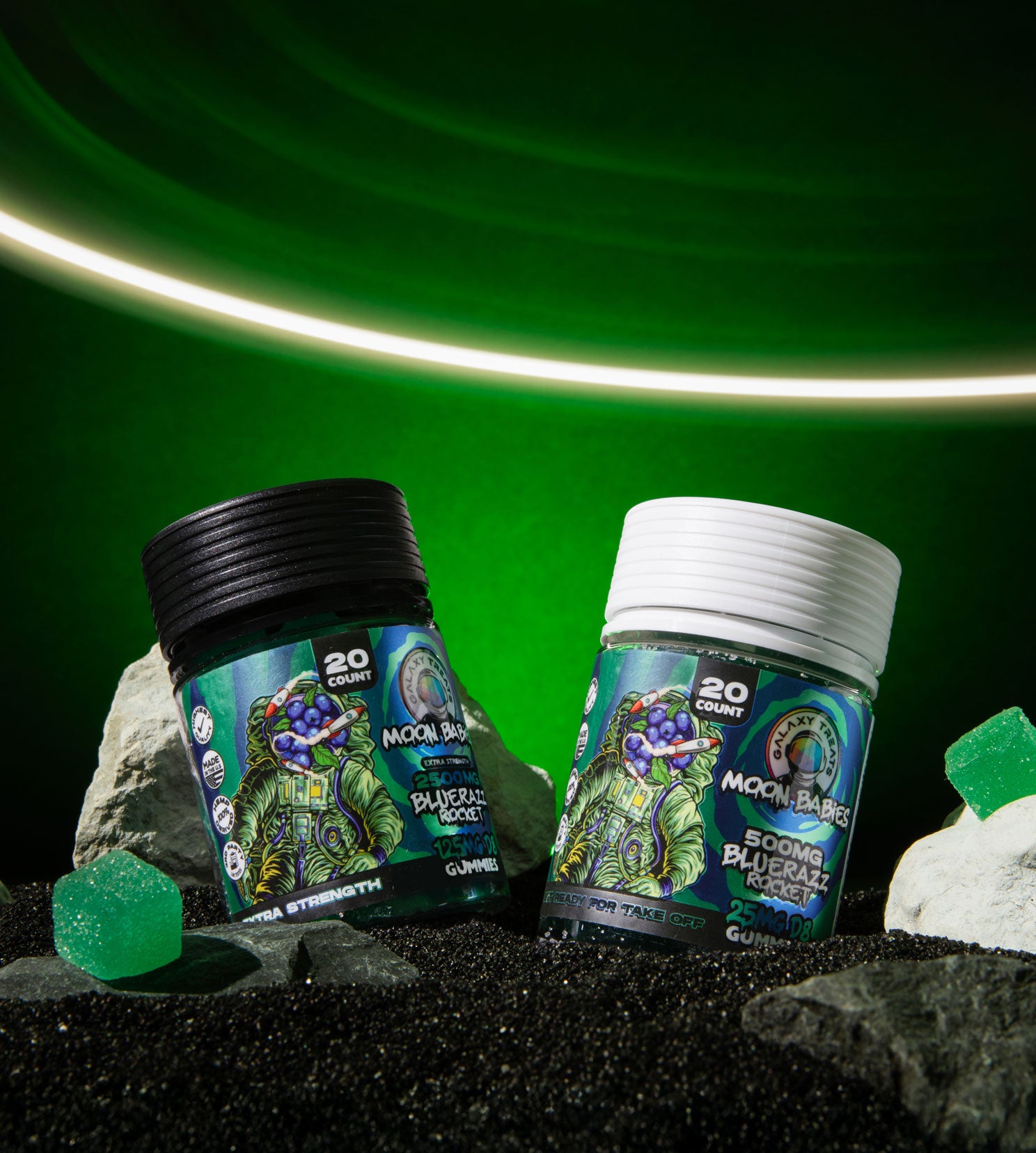
Galaxy Treats makes it easy to explore what works best for your sleep style. For a classic, approachable option, the Delta 9 gummies deliver 10 mg per piece in flavors like Berry Melon Lifter, Tropical Kush, and Purple Punch OG, all crafted with real fruit terpenes and rigorously lab-tested. If you want something more tailored, the Orbital premium line offers small-batch, strain-specific gummies built for connoisseurs, including an Indica option with added melatonin. And for experienced users, the Extra Strength gummies (D8 x D9 x THCP) pack 125 mg of blended cannabinoids per piece for a seriously elevated experience. Every product comes with a 30-day money-back guarantee, so you can try it risk-free and see what the galaxy has in store for your sleep.

Potential Side Effects to Keep in Mind
THC is generally well-tolerated at low doses, but it is not without considerations. Common side effects include dry mouth, mild dizziness, increased appetite, and in some cases, heightened anxiety or paranoia, particularly at doses that are too high for your tolerance level. These effects are typically short-lived and dose-dependent.
As noted earlier, chronic high-dose use has been associated with changes in sleep architecture, specifically a reduction in REM sleep. While short-term, low-dose use appears less likely to cause these changes, anyone planning to incorporate THC gummies into a regular nighttime routine should be thoughtful about dosing and consider periodic breaks to maintain effectiveness and protect sleep quality.
If you take prescription medications, particularly sedatives, anti-anxiety drugs, or other central nervous system depressants, speak with a healthcare provider before adding THC gummies to your regimen. Combining substances that affect the CNS can amplify effects in ways that are difficult to predict.
Are THC Sleep Gummies Legal?
Yes, with a caveat. The 2018 Farm Bill legalized hemp and hemp-derived products at the federal level, as long as they contain no more than 0.3% Delta 9 THC by dry weight. All Galaxy Treats products are made in the USA with hemp-derived cannabinoids and are formulated to comply with this standard.
However, state-level regulations are a patchwork. Some states have imposed stricter limits on hemp-derived THC, while others have embraced the federal framework. Always check the laws in your state before ordering. Galaxy Treats' shipping policies account for known state restrictions, but staying informed about your local rules is always a smart move.

Frequently Asked Questions
Do THC gummies help you sleep?
Research suggests that low doses of THC (typically under 10 mg) can shorten the time it takes to fall asleep and improve perceived sleep quality. A 2025 study from the UK Medical Cannabis Registry found sustained sleep improvements in insomnia patients using cannabis-based products over 18 months. That said, results vary by individual. THC gummies tend to work best when combined with a consistent sleep routine, a comfortable environment, and limited screen time before bed.
How long before bed should I take a THC sleep gummy?
Plan to take your gummy about 60 to 90 minutes before you want to be asleep. Edibles are absorbed through the digestive system, so the onset is slower than inhaled cannabis. The effects generally last four to six hours, which covers a typical overnight sleep window nicely.
What is the ideal THC dosage for sleep?
Most people find that 5 to 10 mg of THC is effective for sleep support. If you are new to THC, start at the lower end (2.5 to 5 mg) and increase gradually over successive nights. Very high doses may actually interfere with restorative REM sleep or cause next-day grogginess, so more is not necessarily better.
Is Delta 8 or Delta 9 THC better for sleep?
Both can support sleep, but the experience is different. Delta 9 is more potent and may produce deeper physical relaxation. Delta 8 is milder and smoother, which appeals to people who are THC-sensitive or prefer a subtler experience at bedtime. The right choice comes down to your tolerance and personal preference.
Can I take THC gummies for sleep every night?
Occasional, low-dose use is generally well-tolerated by most adults. However, nightly use over an extended period can lead to tolerance, where you need more to achieve the same effect. Some studies also suggest that chronic use may reduce REM sleep. Many users find that cycling, such as taking a few nights on and a few nights off, helps maintain effectiveness while avoiding diminishing returns.
Are hemp-derived THC sleep gummies legal?
Under the 2018 Farm Bill, hemp-derived products containing less than 0.3% Delta 9 THC by dry weight are federally legal in the United States. Galaxy Treats products comply with this standard. However, some states impose additional restrictions on hemp-derived THC, so checking your local regulations before purchasing is always recommended.
FDA Disclosure: This product is not for use by or sale to persons under the age of 18 or 21 depending on the laws of your governing state or territory. This product should be used only as directed on the label. It should not be used if you are pregnant or nursing. Consult with a physician before use, especially if you have a medical condition or use prescription medications. A doctor's advice should be sought before using any of these products. All trademarks and copyrights are property of their respective owners and are not affiliated with nor do they endorse this product. These statements have not been evaluated by the FDA. These products are not intended to diagnose, treat, cure or prevent any disease. By using this site you agree to follow the Privacy Policy and all Terms & Conditions printed on this site. Void Where Prohibited By Law.